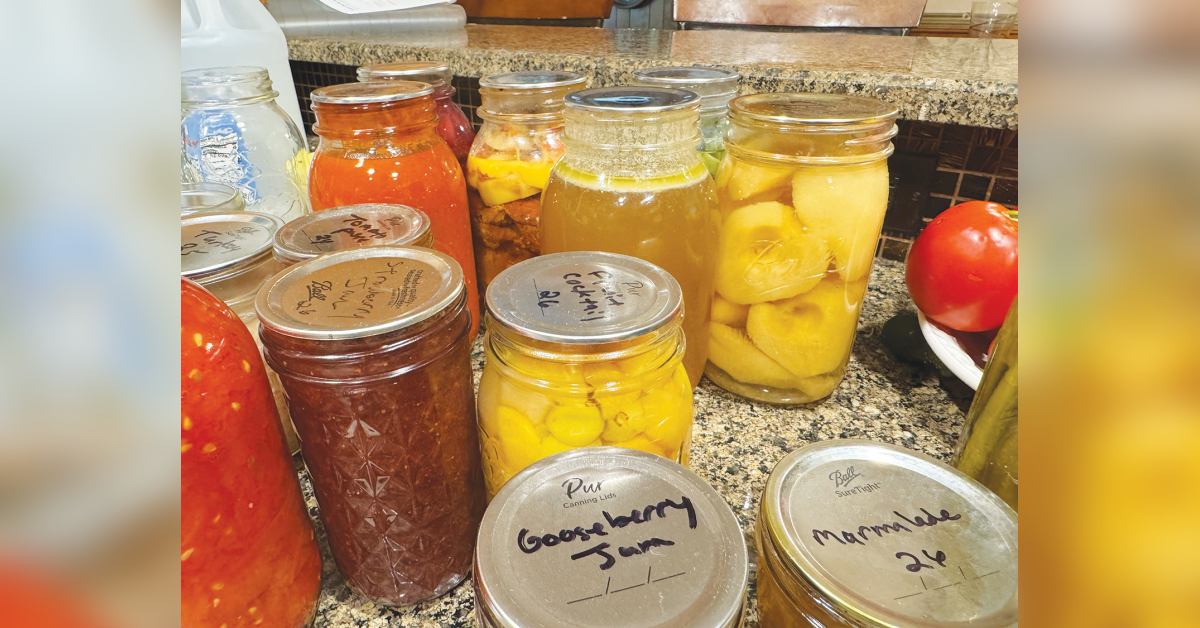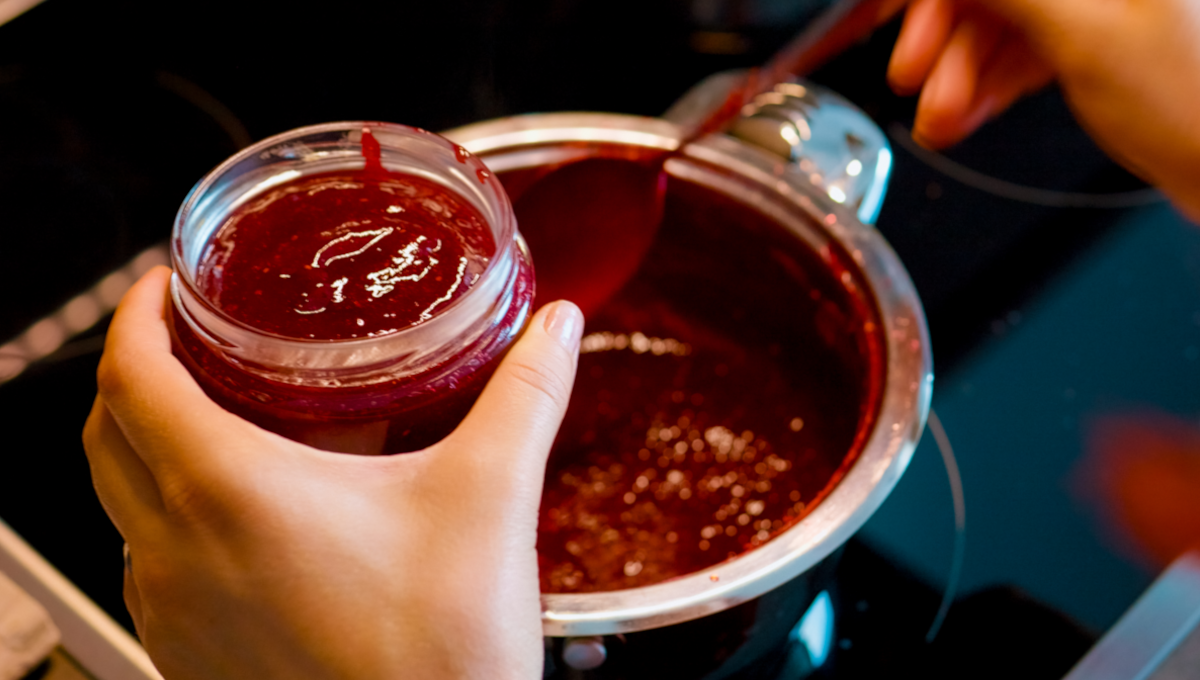
As home gardens begin to yield tomatoes, green beans, peppers, and other summer produce, many cooks are looking to preserve their harvest through canning. Although home canning can be a rewarding method to store food for extended periods, experts caution that improper techniques may foster the growth of harmful bacteria, including Clostridium botulinum, which causes botulism.
Botulism is a rare but serious illness that can lead to paralysis, respiratory failure, and even death. The toxin produced by botulinum is undetectable by sight, smell, or taste. According to guidance from the Centers for Disease Control and Prevention (CDC) and the U.S. Department of Agriculture (USDA), following tested canning procedures is essential for safety.
Risks of Botulism
Botulism arises when Clostridium botulinum thrives in low-oxygen environments, such as improperly canned foods. Symptoms can surface hours or days after eating contaminated food and include:
- Double or blurred vision
- Drooping eyelids
- Slurred speech
- Difficulty swallowing
- Dry mouth
- Muscle weakness
- Difficulty breathing
Anyone experiencing these symptoms after consuming home-preserved foods should seek medical attention immediately.
Canning Methods: Pressure vs. Water Bath
A frequent error in home canning is the incorrect choice of method. High-acid foods, such as fruits, jams, and jellies, can typically be processed using a boiling water bath canner. Conversely, low-acid foods necessitate a pressure canner to achieve the temperatures required to eliminate botulism spores. Low-acid foods include:
- Green beans
- Corn
- Beets
- Potatoes
- Asparagus
- Carrots
- Meats
- Poultry
- Seafood
The USDA advises that pressure canning is the only safe method for these foods.
Essential Home Canning Tips
Food preservation experts recommend the following precautions:
- Use tested recipes from reliable sources like the USDA Complete Guide to Home Canning and the National Center for Home Food Preservation.
- Ensure canning equipment, especially pressure canners, is functioning and calibrated according to the manufacturer’s instructions.
- Inspect jars and lids for cracks or chips and discard any that are damaged.
- Follow processing times strictly, as these are based on thorough research.
- Adjust processing times for higher altitudes, if applicable.
- Store canned foods in a cool, dry location and label jars with the canning date.
When in Doubt, Throw It Out
Experts warn against tasting food to verify its safety. Home-canned foods should be discarded if:
- The container is leaking, bulging, or swollen
- The seal is compromised
- The jar is damaged
- Liquid spurts out when opened
- The food shows mold, discoloration, or an unusual odor
Even a tiny amount of botulinum toxin can lead to serious illness.
Resources for Safe Canning
Consumers should consult science-based resources rather than rely on untested family recipes or social media. Recommended resources include:
- USDA Complete Guide to Home Canning
- National Center for Home Food Preservation
- Local cooperative extension programs
- University-led food preservation courses and workshops
As harvest season peaks, food safety officials emphasize that adhering to tested canning practices can help ensure home-preserved foods are both safe and enjoyable.