Canning is an established method of food preservation that has been utilized for centuries to prevent spoilage. It offers families essential nutrients and can lower food costs during challenging times.
Historically, before modern food preservation techniques existed, people relied on methods like canning, drying, and curing. Today, canning allows individuals to save surplus fruits and vegetables from their gardens.
Irene Ney from Clinton Township demonstrates how to seal a canning jar. The National Center for Home Food Preservation at the University of Georgia explains that canning works by heating jars to a temperature that eliminates harmful microorganisms.
The process also inactivates enzymes that could lead to spoilage.
As the jars cool, a vacuum seal is created, preventing air—and its associated microorganisms—from recontaminating the food.
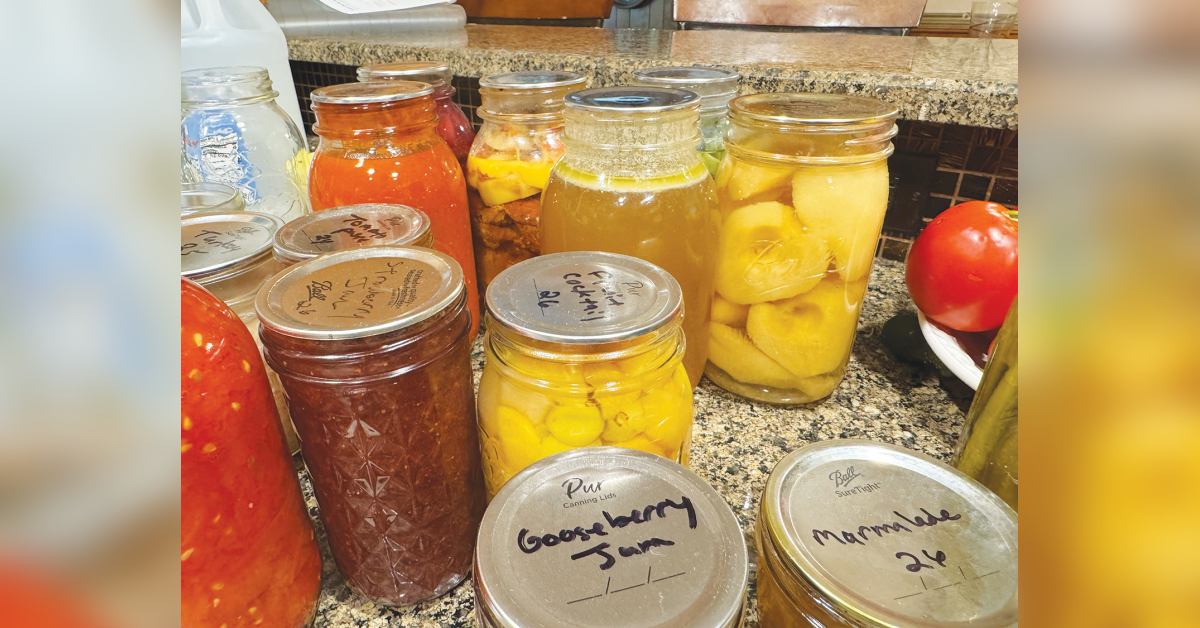
Ney labels and dates all her canned goods, which enables her to store food longer rather than letting it spoil in her garden or refrigerator. There are several canning methods: water bath, steam canning, pressure canning, and dehydration.
Ney began canning after she got into gardening, inspired by a neighbor who canned when she was young. She has tried various items, including meats, tomatoes, pickles, and stews, and has started pressure canning low-acid foods this year.
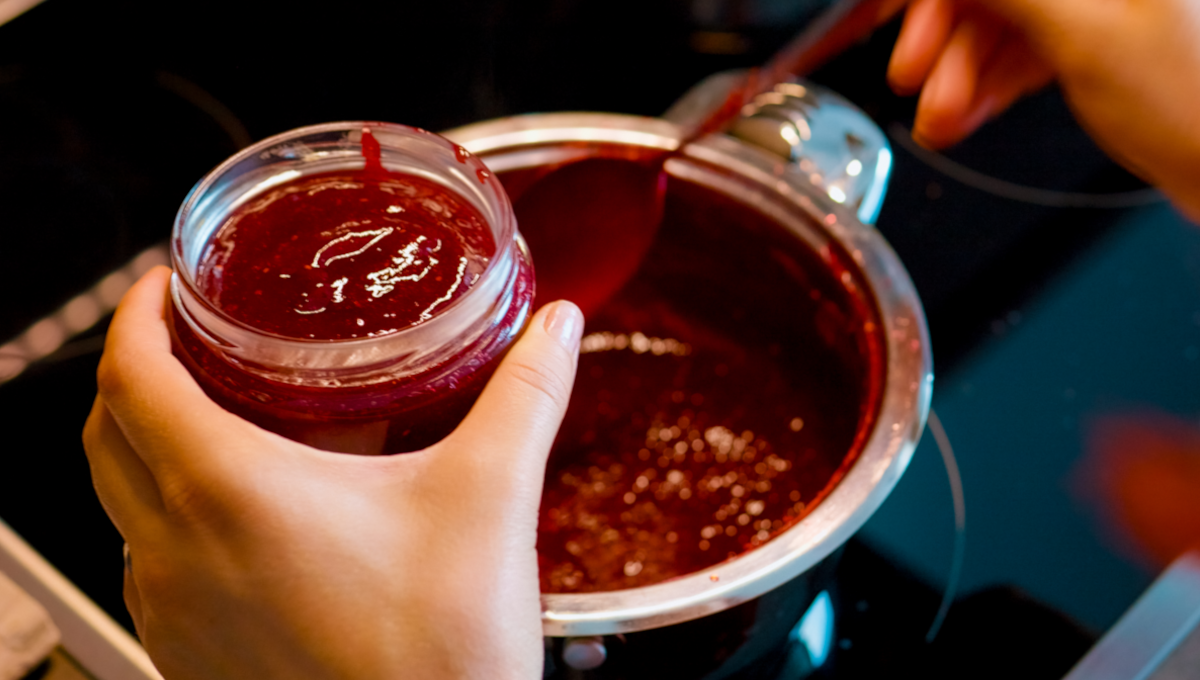
Low-acid foods, such as meats and certain vegetables, require pressure canning at temperatures above 240 degrees Fahrenheit to effectively eliminate microorganisms. In contrast, high-acid foods—including jams, jellies, and pickles—can be safely canned using a water bath.
Another local canner, Sidonie Brooks from St.
Clair Shores, has been canning for five years since discovering an abundance of tomatoes. Both women have utilized resources from the MSU Extension for learning techniques, focusing on safe methods to prevent illness and injury while canning.
Ney refers to canning books that are USDA-approved and emphasizes the importance of using updated editions due to changing acidity levels in food. She adds citric acid to foods with unknown acidity to ensure safety.
Essential equipment includes various types of pots: a silver pot with clamps for pressure canning and a deep kettle with a rack for water bath canning. Brooks practices methods such as dry canning for seasonings, and she is eager to learn how to can spaghetti sauce.
Both Ney and Brooks stress the importance of following scientifically tested recipes to avoid the risk of botulism, and they recommend the "Ball Blue Book" for reliable guidance. Using proper canning jars and ensuring a vacuum seal are crucial steps in the process.
According to the University of Georgia, it is recommended to remove ring bands from jars before storage and to clean the jar tops to avoid food residue. Proper labeling and storage conditions contribute to the overall quality of canned goods.
Patience is vital when learning to can, as the process can be time-consuming. Brooks recalls spending around ten hours encompassing cooking and canning, urging newcomers to be patient during the process to avoid mistakes that can compromise their efforts.
For additional resources, the USDA and CDC maintain websites with information on safe food preservation practices, and the Macomb County Health Department offers classes on the topic.