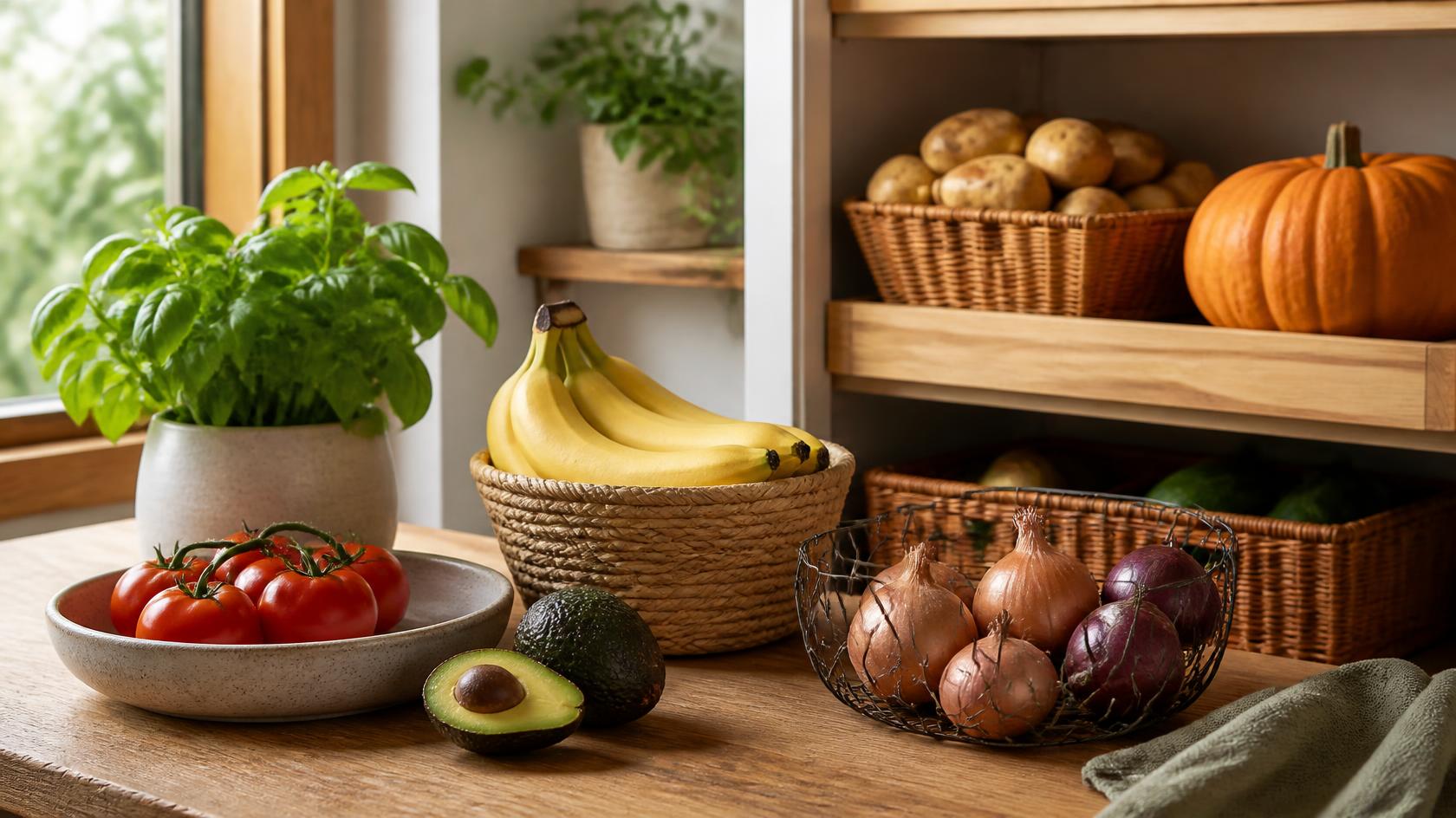
Storing fresh groceries properly can prevent food waste and help manage grocery budgets, especially as spring brings warmer weather. Noah Pratt, chief executive of Australian fresh produce company Funky Food, advises on the best practices for refrigerating fruits and vegetables to maximize their freshness.
### Tomatoes
Firm, unripe tomatoes should be kept at room temperature on the counter, away from direct sunlight, to enhance their flavor. Refrigerating them too early can hinder ripening and affect their texture. Once ripe, however, refrigeration can extend their shelf life, particularly in warm conditions.
### Potatoes
Raw potatoes thrive in a cool, dark, dry, and well-ventilated cupboard or pantry. Cold storage can alter their starch composition, impacting both flavor and cooking qualities. Keep potatoes away from sunlight, which can cause greening, and discard any with significant sprouting or green areas.
### Bananas
Green bananas should be left at room temperature until they ripen, avoiding direct sunlight. Refrigerating them prematurely will disrupt their ripening process and darken their skin. Once ripe, they can be placed in the fridge to slow further ripening; the fruit may still be good even if the peel turns brown or black.
### Whole Onions
Whole, unpeeled onions do best in a dry, well-ventilated area. They should not be stored in sealed plastic bags as these can trap moisture and lead to spoilage. Once onions are cut, they should be placed in a sealed container in the refrigerator.
### Avocados
Firm avocados should remain at room temperature until they soften. Refrigerating unripe avocados can slow down their ripening process. After they are ripe, they can be transferred to the fridge to prolong their usability. Cut avocados should also be stored in the refrigerator.
### Fresh Basil
Basil is sensitive to cold; refrigeration can cause its leaves to wilt and darken. For short-term storage, consider placing the stems in a jar of water like a bouquet, positioned in a cool spot away from sunlight. Change the water regularly and discard any spoiled leaves.
### Whole Pumpkin
An uncut pumpkin can be stored in a cool, dry area without taking up refrigerator space. Regularly check for any signs of deterioration and avoid hot areas. Once cut, however, it should be refrigerated.
### Temperature Considerations
While avoiding refrigeration for certain produce is beneficial, maintaining appropriate temperatures is crucial. Pratt emphasizes that keeping groceries out of the fridge doesn’t mean letting them sit in a hot kitchen for extended periods. If your home is warm or if fruit reaches peak ripeness, refrigeration may be necessary. Regular checks on supplies, using ripe items first, and meal planning around soon-to-expire ingredients can help minimize waste.